Double-Bagging Asbestos: Why It Matters
Double-bagging asbestos is necessary because you're using 2 challenging, labeled 6-mil plastic bags to protect harmful material. This split system slashes the risk of microscopic asbestos fibers running away throughout handling, transport, or disposal— something single-bagging can not ensure. You'll require to seal each bag independently and stay clear of overfilling to avoid tears or fiber launch. R&D asbestos survey Using accepted materials and strict strategy is crucial to staying secure and legally certified. Next off, you'll see specifically how to handle every action with confidence.
Takeaways
- Double-bagging asbestos waste offers a crucial additional obstacle, preventing unsafe fiber release during handling and transport.
- The external bag includes defense if the inner bag is penetrated, considerably minimizing airborne asbestos threats.
- Double-bagging straightens with lawful and regulatory demands for safe asbestos cleaning and disposal.
- Correct double-bagging, utilizing 6-mil classified bags, makes sure compliance and stays clear of pricey lawful fines.
- This best-practice method supports employee safety and security and public wellness by having microscopic asbestos fibers better than single-bagging.
Why Asbestos Containment Issues
When you're handling asbestos, efficient containment isn't just a step-by-step rule— it's vital for stopping dangerous fibers from coming to be airborne and contaminating job locations. Asbestos fibers are tiny and can remain put on hold in the air for extended durations, posturing substantial air-borne risks. If you do not regulate the spread, you enhance the possibility that employees and developing passengers will breathe in these fibers, bring about extreme health influences such as asbestosis, mesothelioma cancer, and lung cancer. To reduce these threats, you have to thoroughly seal the workplace, utilize unfavorable air pressure, and utilize individual protective tools. Correct control procedures, consisting of wetting products and protecting against unnecessary disruption, aid limitation fiber launch. This thorough method is critical for guarding both immediate and long-term health and wellness in any type of asbestos reduction job.
What Is Double-Bagging and Just How Does It Function?
Double-bagging enters into play as a critical precaution whenever you're taking care of asbestos waste. You'll put the asbestos material in a particularly identified, thick plastic bag— then secure it tightly. Next, you'll put that sealed bag right into a second, equally robust bag and seal it once more. This split technique markedly reduces the risk of fiber release, supporting air-borne control and minimizing direct exposure. Appropriate worker training assurances this process is followed specifically, reducing contamination threats for everyone included. Right here's a take a look at why both layers are essential:
Layer
Function
Danger If Left out
Internal Bag
Primary containment
Fiber leakage
External Bag
Secondary defense
Environmental spread out
Sealing Actions
Makes sure impermeable seal
Exposure to workers
Appropriate technique takes full advantage of security and regulative compliance.
Picking the Right Bags for Asbestos Disposal
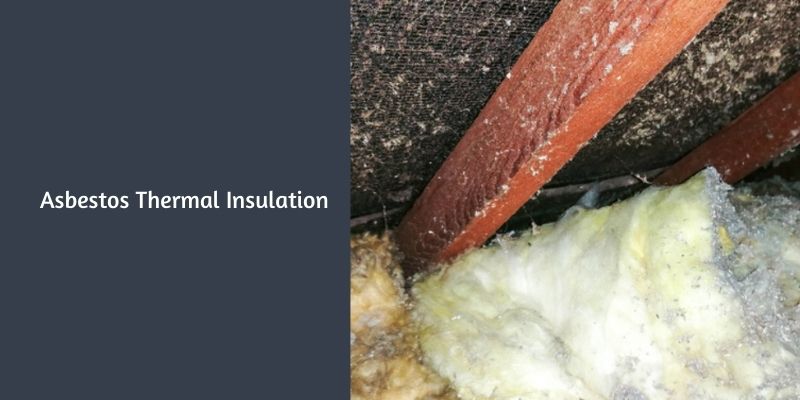
When picking bags for asbestos disposal, you'll need to make use of just those particularly approved and classified for asbestos waste. These bags have to go to the very least 6-mil thick to protect against tears and punctures throughout handling and transport. It is essential to examine both the sturdiness and regulative conformity of the bags before beginning any reduction work.
Authorized Asbestos Disposal Bags
Selecting the right disposal bags is vital for safely including and getting rid of asbestos waste. You should utilize approved bags that abide by regulative criteria, such as OSHA and EPA needs. These bags are commonly intense yellow or clear, plainly identified with “Asbestos” warnings, and produced from high-strength polyethylene. Complying with disposal protocols suggests sourcing your bags from reputable supply resources that can supply documents of compliance. Approved bags make specific that fibers stay consisted of during transportation, decreasing health and wellness threats and legal liabilities. Prior to acquisition, constantly confirm that the bags meet regional and government policies. The table listed below summarizes the essential considerations:

Need
Information
Regulatory Specifications
OSHA 29 CFR 1910.1001, EPA standards
Authorized Bags
Classified, 6-mil polyethylene, meets compliance
Disposal Procedures
Double-bagging, safe sealing, classified for asbestos
Supply Sources
Industrial security vendors, verified governing paperwork called for
Bag Thickness and Durability
Prioritize bag thickness and sturdiness to ensure asbestos waste stays fully consisted of throughout handling and disposal. When choosing bags, you'll desire to choose ones that are a minimum of 6 mils thick-– this is the industry requirement for asbestos disposal. Thicker bags supply exceptional bag stability, minimizing the danger of unintentional launch of unsafe fibers. Always verify the bags have high tear resistance, as slim or breakable bags can split under the weight or sharp sides of asbestos products. Ensure the bags are particularly classified for asbestos, suggesting they fulfill governing requirements. Double-bagging with 2 independent layers additionally improves containment. Do not compromise: using substandard bags weakens every other safety procedure you take. Appropriate option assurances both legal compliance and security for you and everyone included.
Exactly How to Double-Bag Asbestos Waste: Step-by-Step
To double-bag asbestos waste appropriately, you'll require to pick durable, 6-mil polyethylene bags that are plainly classified for asbestos. Ensure you secure each bag independently utilizing air duct tape or a gooseneck tie to avoid any fibers from leaving. Once secured, constantly handle and transport the bags upright and with treatment to decrease the risk of leaks or tears.
Selecting Proper Bag Types
When you prepare to double-bag asbestos waste, it's critical to pick bags that fulfill stringent regulatory standards for harmful materials. You'll need 6-mil thick polyethylene bags, as these are particularly made to have asbestos fibers and stand up to punctures. Always verify the bag's accreditation and labeling to guarantee conformity— bags need to be significant plainly as “Asbestos Waste.” Complying with bag color coding is necessary; commonly, asbestos bags are red or yellow, signifying harmful web content to handlers and disposal centers. Do not forget the value of encapsulation methods before bagging, as this reduces airborne fibers throughout handling. By picking the ideal bag kind, you're considerably reducing the risk of exposure and assuring you fulfill both safety and security and legal needs for asbestos disposal.
Securing Bags Safely
Although the procedure might seem uncomplicated, sealing asbestos waste bags demands thorough attention to detail to stop fiber release. After you have actually placed the asbestos debris in the initial bag, it's important to make specific air limited securing before placing it in the 2nd bag. This action avoids airborne fibers from getting away and polluting the setting. Usage meddle evident closures to guarantee that the bags haven't been opened or jeopardized during handling. Adhere to these important steps for protected sealing:
- Spin and tape: Spin the top of the bag tightly, after that seal with strong air duct tape, ensuring an air limited sealing.
- Double-bag: Area the secured bag inside a second asbestos-rated bag, duplicating the twist-and-tape method.
- Apply meddle apparent closures: Safeguard both bags with meddle noticeable closures to verify honesty and compliance.

Moving Waste Safely
With the asbestos waste securely double-bagged and closed, your next concern is making certain secure transportation to an approved disposal website. Appropriate control logistics are crucial— always load the bags upright, avoiding sharp objects and straight call with vehicle surfaces. Don't pile bags, as this can worry seams and risk a violation. Course preparation is critical: pick the fastest, best path with marginal quits and low-traffic periods to minimize unexpected exposure. Keep waste paperwork obtainable throughout transit, and never leave the lorry ignored. The table below details essential steps:
Tip
Action
Rationale
1. Packing
Upright, spaced bags
Avoids tear
2. residential asbestos removal Protecting
Use straps, no piling
Maintains bag integrity
3. Course Preparation
Fastest, safest route
Limits exposure threats
4. Documents
Lug materializes
Governing compliance
5. Supervision
Never ever leave vehicle unattended
Prevents unapproved gain access to
Common Double-Bagging Blunders and How to Stay clear of Them
If you're handling asbestos waste, it's crucial to identify that incorrect double-bagging can endanger control and increase health and wellness dangers. Despite having worker training and proper protective gear, blunders still happen. Right here are three common double-bagging mistakes and exactly how you can avoid them:
- Incorrect Bagging Order: Always place asbestos waste in a labeled 6-mil polyethylene bag, then secure it before placing it into a 2nd, just as long lasting bag. Don't turn around the order or miss securing.
- Inadequate Sealing: Use duct tape or a gooseneck connection to make sure both bags are totally secured. Partial sealing permits fibers to leave. get help here
- Damaged Bags or Overfilling: Never ever overfill bags or use ones with slits. Examine bags before use and restriction components to two-thirds ability to avoid ruptures during transport.
Proper double-bagging is vital for safe asbestos disposal.
Double-Bagging vs. Single-Bagging: What's the Distinction?
While both double-bagging and single-bagging entail sealing asbestos waste in heavy-duty plastic, both techniques differ markedly relative to control and regulatory conformity. With single-bagging, you use simply one 6-mil polyethylene bag, which offers a basic barrier versus asbestos particles. Nevertheless, this strategy increases the threat of slits or tears, potentially launching air-borne fibres throughout handling. Double-bagging, by contrast, needs you to place the sealed very first bag inside a second, tidy 6-mil bag. This layered technique considerably minimizes the possibility of fibre launch, particularly during transport or disposal. Additionally, double-bagging aligns with best-practice clean-up protocols, ensuring better protection for both workers and the setting. Ultimately, double-bagging offers an extra durable, evidence-based secure versus asbestos exposure than single-bagging alone.
Asbestos Disposal: Legal Requirements and Compliance
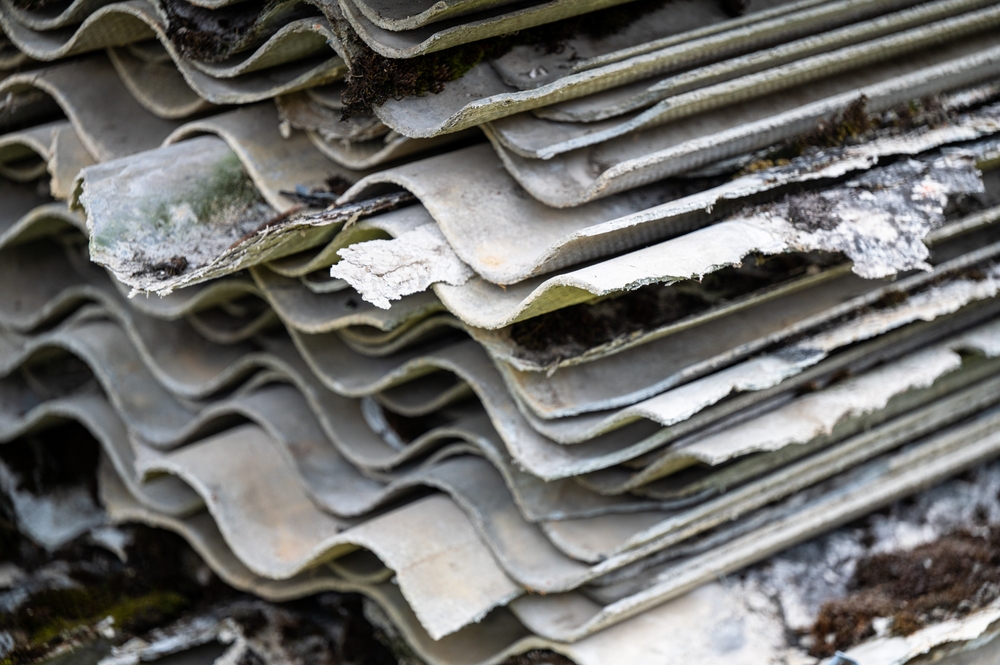
Although handling asbestos waste calls for meticulous interest, proper disposal is controlled by stringent lawful demands that you can't manage to overlook. As somebody involved in asbestos abatement, you need to remain up to date with governing updates to see to it you're totally compliant. Rules usually mandate double-bagging, clearly identifying waste, and delivering it to qualified disposal facilities. Failing to conform can cause hefty penalties and lawful effects.
Below's what you require to do:
- Double-bag all asbestos waste: Usage 6-mil thick, leak-tight plastic bags, securing each individually.
- Label bags clearly: Mark each with “Asbestos Waste” and consist of generator and location information, per present asbestos abatement laws.
- Transportation to licensed sites: Just provide waste to facilities specifically licensed for asbestos disposal, adhering to regional and federal laws.
Often Asked Inquiries
Can I Reuse Bags That Have Had Asbestos Waste? https://tootingasbestosremoval.co.uk/services/artex-removal.html
You shouldn't recycle bags that have actually consisted of asbestos waste as a result of considerable reusing risks and strict contamination controls. As soon as a bag's been exposed to asbestos, microscopic fibers can stay, making purification nearly difficult. Regulations require asbestos waste bags to be firmly sealed and disposed of at accepted facilities. Always utilize brand-new, clearly identified bags for asbestos, and comply with regional disposal treatments to protect against harmful fiber launch and guarantee compliance with security requirements.
Exactly How Should Double-Bagged Asbestos Be Stored Prior To Disposal?
Picture the threat if you don't store double-bagged asbestos appropriately. You ought to constantly put the double-bagged asbestos in secured containers, guaranteeing there's no slit or tear guaranteed. Store the containers in a safe and secure, well-ventilated location, away from direct sunshine, and with temperature control to avoid material deterioration. Don't stack the containers, and keep them clearly classified as harmful. This cautious strategy minimizes direct exposure and abide by regulative safety requirements.
Are There Eco-Friendly Alternatives to Standard Asbestos Disposal Bags?
Yes, you can locate eco-friendly alternatives to basic asbestos disposal bags. Some firms currently provide naturally degradable liners made from products that damage down more securely in time. If you're worried concerning seal stability, look for bags utilizing plant based adhesives, which reduce reliance on synthetic chemicals. Nevertheless, you'll require to confirm that these alternatives meet all regional and federal contaminated materials guidelines before usage, as safety and security and compliance remain your top concerns.
What Personal Protective Devices Is Suggested Throughout Double-Bagging?
When taking care of delicate matters, you'll desire to protect on your own fully— do not reduce edges. Utilize a effectively fit-tested respirator (P100 or HEPA filters) to ensure peak respirator fitment versus air-borne fibers. Choose strong, chemical-resistant gloves— double layering is wise for glove option. Don't forget disposable coveralls with sealed joints, safety goggles, and shoe covers. Always inspect devices stability prior to starting, and follow purification methods after double-bagging to lessen remaining risks.
How Should I Handle Accidental Bag Tears Throughout Transportation?

If you discover a bag tear throughout transportation, quickly stop and initiate emergency control by placing the damaged bag into a new, intact asbestos waste bag. Seal it safely with tape. Reduce disruption to avoid fiber launch. Once included, adhere to decontamination treatments: remove and take care of infected PPE, clean hands and revealed skin, and record the occurrence. Constantly report the tear to your manager for proper record-keeping and more decontamination if needed.